
Oral & Maxillofacial Trauma
Treatment depends greatly on the individual complexity of the case and it may require several stages.
Trauma can be caused by violence, accidents, previous surgery, illness and infection. It may be necessary for Mr Yousefpour to work with a number of other medical specialties to provide optimum care and produce the best results possible.
The oral and maxillofacial trauma consultation
During your consultation Mr Yousefpour will perform a full physical examination, as well as order any investigations in the form of tests or scans that are necessary. Then a treatment programme can be devised and every aspect of your treatment will be carefully explained, along with all possible risks and complications so you can make an informed decision.
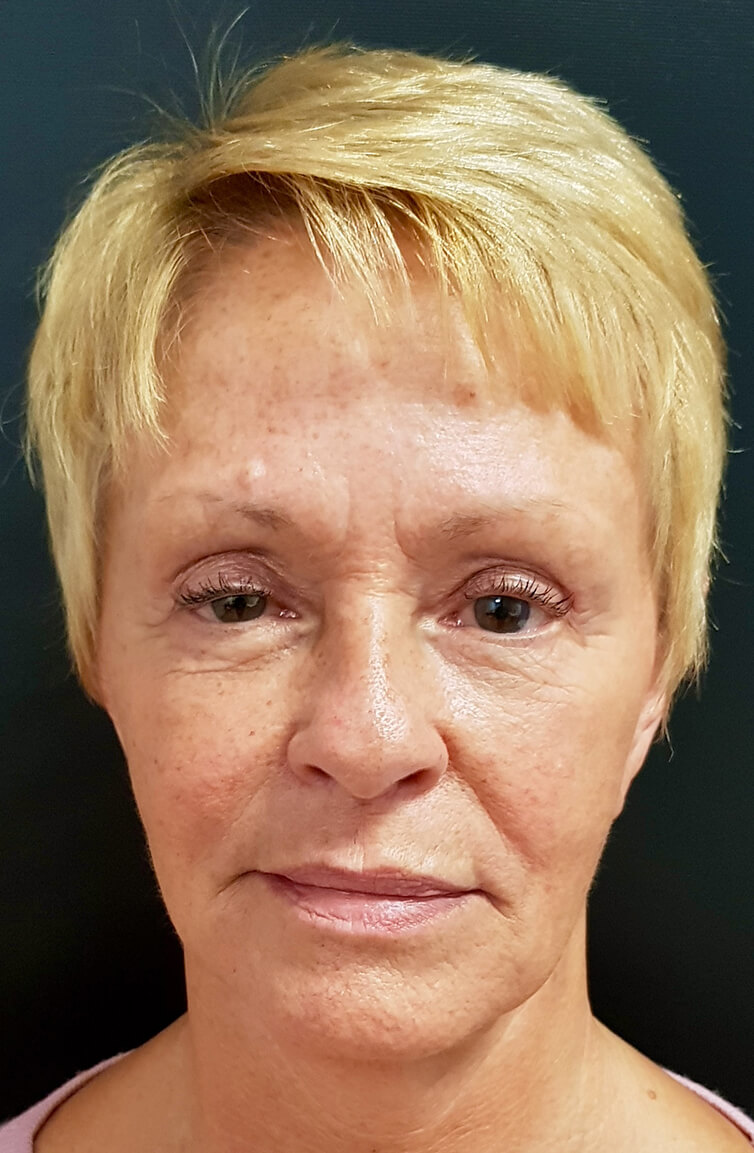
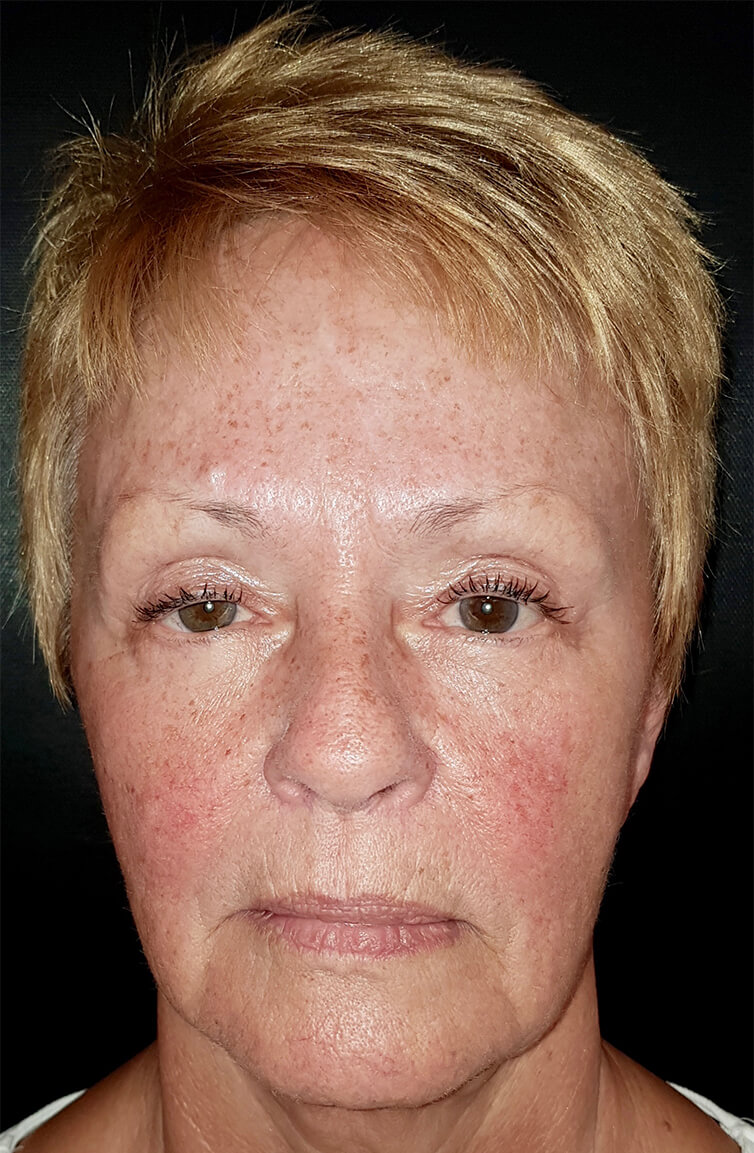
What does oral and maxillofacial trauma surgery involve?
The nature of oral and maxillofacial trauma depends on the complexity of the case. Generally, trauma is classified as injuries to the soft tissues, such as skin and the gums, to the hard tissues such as bones and teeth and then injuries to special areas of the face such as the glands, nerves or eyes.
Surgery may involve resection of nerves, removal of glands, fixing the skeletal structure with grafts of bone or other materials, using plates or screws, and using skin grafts. Restorative or orthodontic dental work may be required.
Are there any risks and complications associated with oral and maxillofacial trauma surgery?
All surgery carries a degree of risk. If performed under a general anaesthetic, there is a degree of risk associated with the anaesthetic. There is also the risk of excessive bleeding, haematomas, seromas and infection.
What results can I expect from oral and maxillofacial trauma surgery?
Any trauma to the face or head can have a devastating impact on the patient and their self-confidence. Mr Yousefpour’s first aim is to restore function, while at the same time trying to restore as normal a facial appearance as possible.
PATIENT Testimonials
